


Surgery for portal hypertension
Surgery for portal hypertension
What is portal hypertension?
Portal hypertension is an increase in the pressure within the portal vein (the vein that carries blood from the digestive organs to the liver). The increase in pressure is caused by a blockage in the blood flow through the liver.
Increased pressure in the portal vein causes large veins (varices) to develop across the esophagus and stomach to get around the blockage. The varices become fragile and can bleed easily.
What causes portal hypertension?
The most common cause of portal hypertension is cirrhosis, or scarring of the liver. Cirrhosis results from the healing of a liver injury caused by hepatitis, alcohol abuse, or other causes of liver damage. In cirrhosis, the scar tissue blocks the flow of blood through the liver and slows its processing functions.
Portal hypertension may also be caused by thrombosis, or a blood clot that develops in the portal vein.
What are the symptoms of portal hypertension?
The onset of portal hypertension may not always be associated with specific symptoms that identify what is happening in the liver. But if you have liver disease that leads to cirrhosis, the chance of developing portal hypertension is high.
The main symptoms and complications of portal hypertension include:
Gastrointestinal bleeding: black, tarry stools or blood in the stools; or vomiting of blood due to樂威壯
the spontaneous rupture and bleeding from varices.
Ascites: an accumulation of fluid in the abdomen.
Encephalopathy: confusion and forgetfulness caused by poor liver function and the diversion of blood flow away from your liver.
Reduced levels of platelets or decreased white blood cell count.
latest news
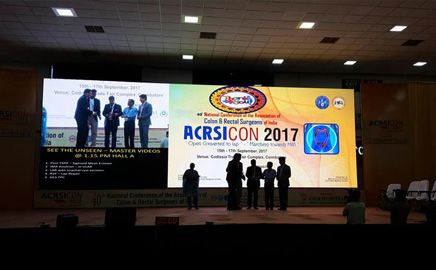
Own best video award.
40th National Conference of the Association of Colon & Rectal Surgeons of India
read more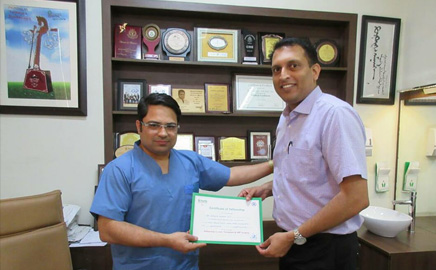
Received fellowship in liver transplantation.
Received fellowship in liver transplantation.
read more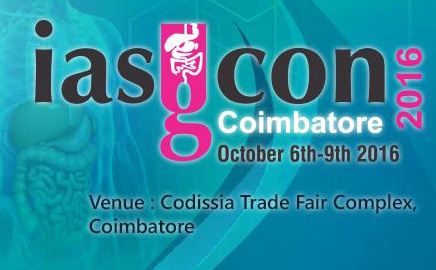
Received best e-video award.
26th Annual Conference of Indian Association of Surgical Gastroenterology.
read more